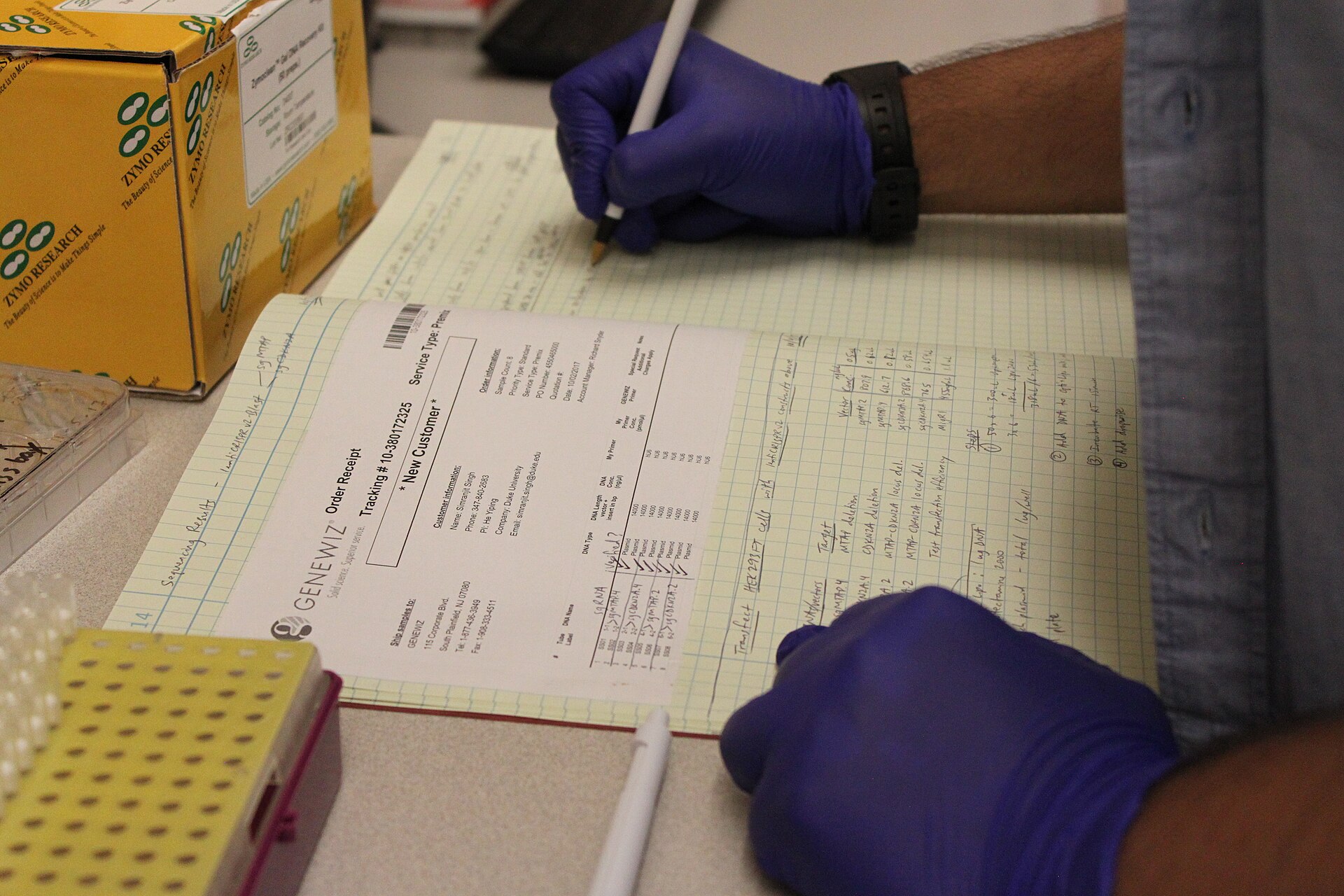
It is easy to focus on the headline purity number and forget the question underneath it: how do you know the report actually describes the vial in your hand? That link - from physical material back to a specific analysis - is lot traceability, and it quietly does more work than any single figure on a certificate.
A report is about a batch, not a brand
Analytical results describe the specific batch that was tested. They do not automatically describe every batch a supplier has ever shipped. So the real question is never "does this supplier have a good report somewhere?" It is "can I tie this vial to a report for its batch?" Traceability is what makes that question answerable.
The chain that has to stay intact
A unique identifier assigned to a production batch and printed on the vial.
The analysis performed on a sample drawn from that same batch.
Ideally a lab-hosted record you can confirm independently, not just a loose file.
When all three line up, you can move from "the vial says retatrutide" to "this lot was analyzed, here is the result, and I can confirm it on the lab's own page." When one link is missing, the others lose most of their value.
Why one good report is not enough
Imagine a supplier with a single, genuinely excellent certificate posted on its site. If the vial you receive carries a different lot number - or no lot number at all - that certificate describes someone else's material. The document is real; it is simply unrelated to what you are holding. Lot-level traceability is the discipline that prevents this disconnect.
How to evaluate traceability before you order
- Check that vials carry a clear, specific lot number rather than a generic label.
- Confirm a report exists for that lot, not just a representative sample.
- Favor lab-hosted verification you can check yourself over an emailed file.
- Make sure your own receiving records capture the lot number on arrival.
A traceability mindset on the receiving end
Traceability is not only the supplier's job; it is a habit on the receiving end too. The strongest chain in the world breaks the moment a vial is decanted into an unlabeled container or a lot number is left unrecorded. A lab that captures the lot on arrival, keeps the original label with the material, and files the matching report has done its half of the work - and put itself in a position to actually use the supplier's documentation rather than just admire it.
The bottom line
Traceability is unglamorous infrastructure, and like most infrastructure you only notice it when it is missing. It is the difference between a research material you can stand behind and a powder with a nice-looking PDF stapled loosely beside it. When the vial, the lot, and the report all agree, the paperwork finally means what it says.