Research Peptide Blog
Plain-English, editorial guides to research peptides - certificates of analysis, HPLC purity, lot traceability, and laboratory handling. Written for qualified researchers, kept strictly research-only.

Trial Watch: Where Retatrutide’s TRIUMPH Program Actually Stands
Retatrutide is back in the headlines. Here is what the public trial registry and the May 2026 topline release actually say - and, just as importantly, what they do not.
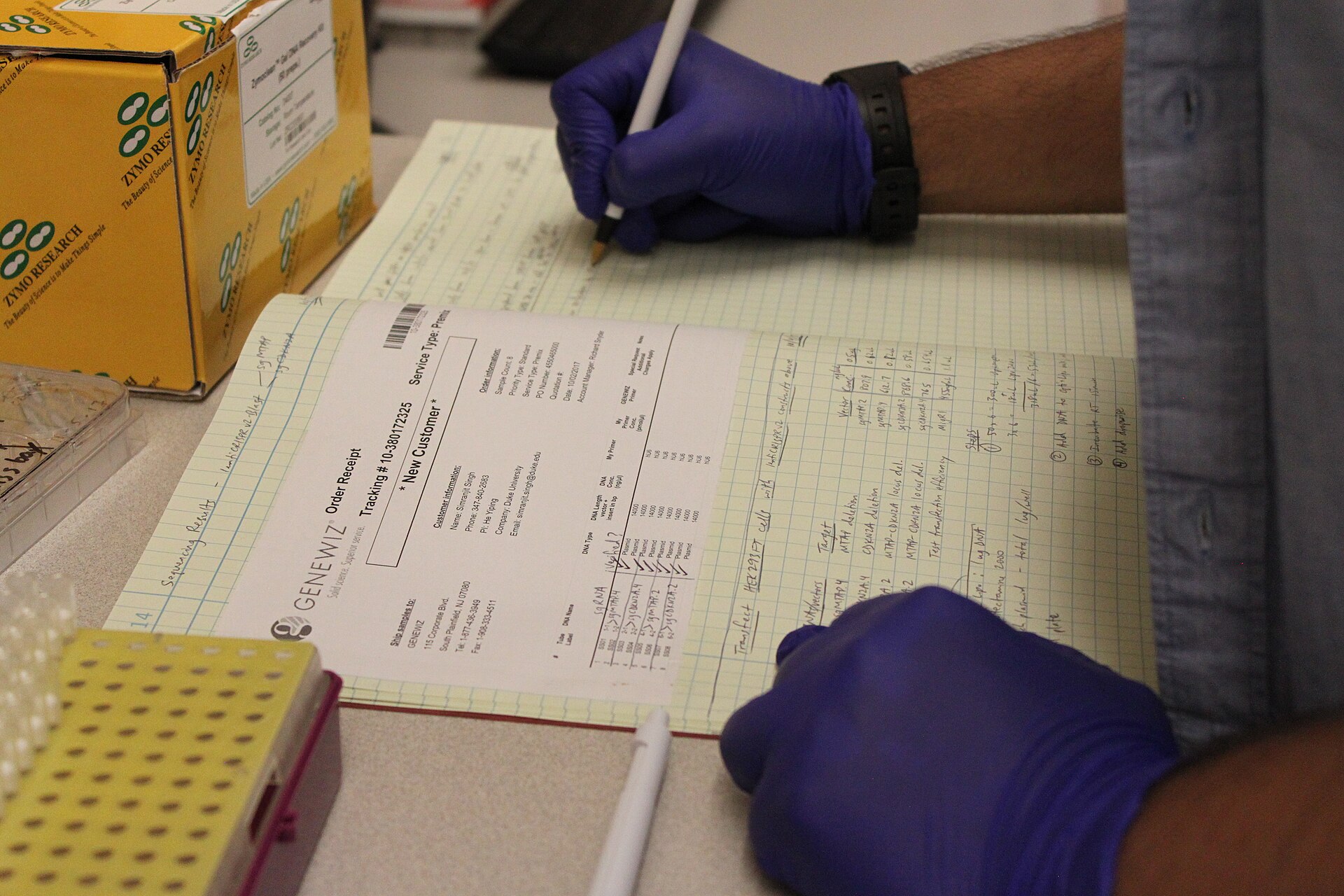
Lot Traceability: Connecting a Vial Back to Its Report
A report describes a batch. Traceability is the thread that proves the vial on your bench is from that batch. Without it, the paperwork and the powder are two unrelated things.
Research Notes: What the GHK-Cu Literature Does and Doesn’t Say
GHK-Cu shows up everywhere in skincare marketing. The peer-reviewed literature is more interesting - and more careful - than the hype. Here is a measured read of what reviews actually report.
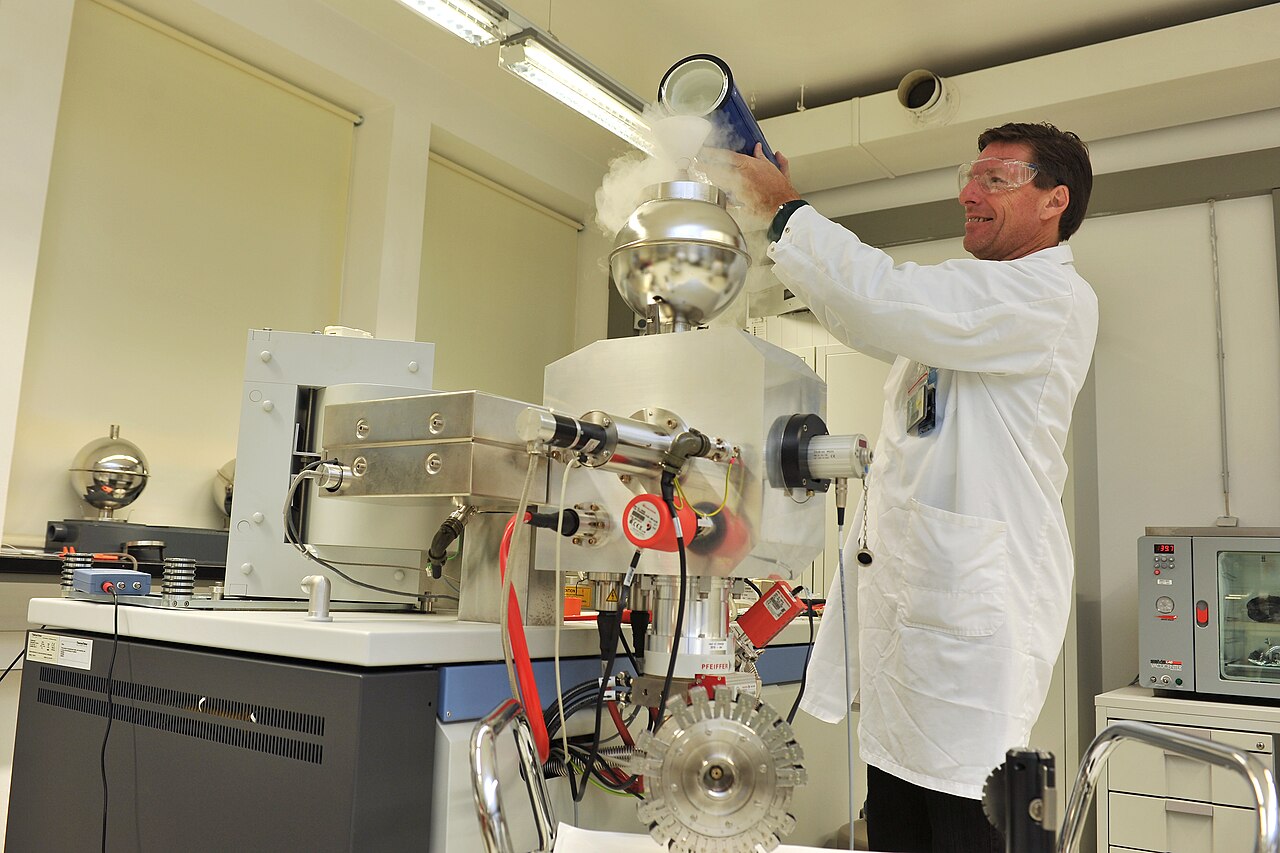
HPLC vs. Mass Spec: How Research Peptides Get Verified
HPLC and mass spec answer two different questions - how much and which one. Understanding the split is the fastest way to read a peptide report like someone who knows what they are looking at.

The Paperwork Is the Product: A Case for Boring Transparency
In research peptides, the powder is close to a commodity. The documentation is where suppliers actually differ - and where most of them quietly fall short.
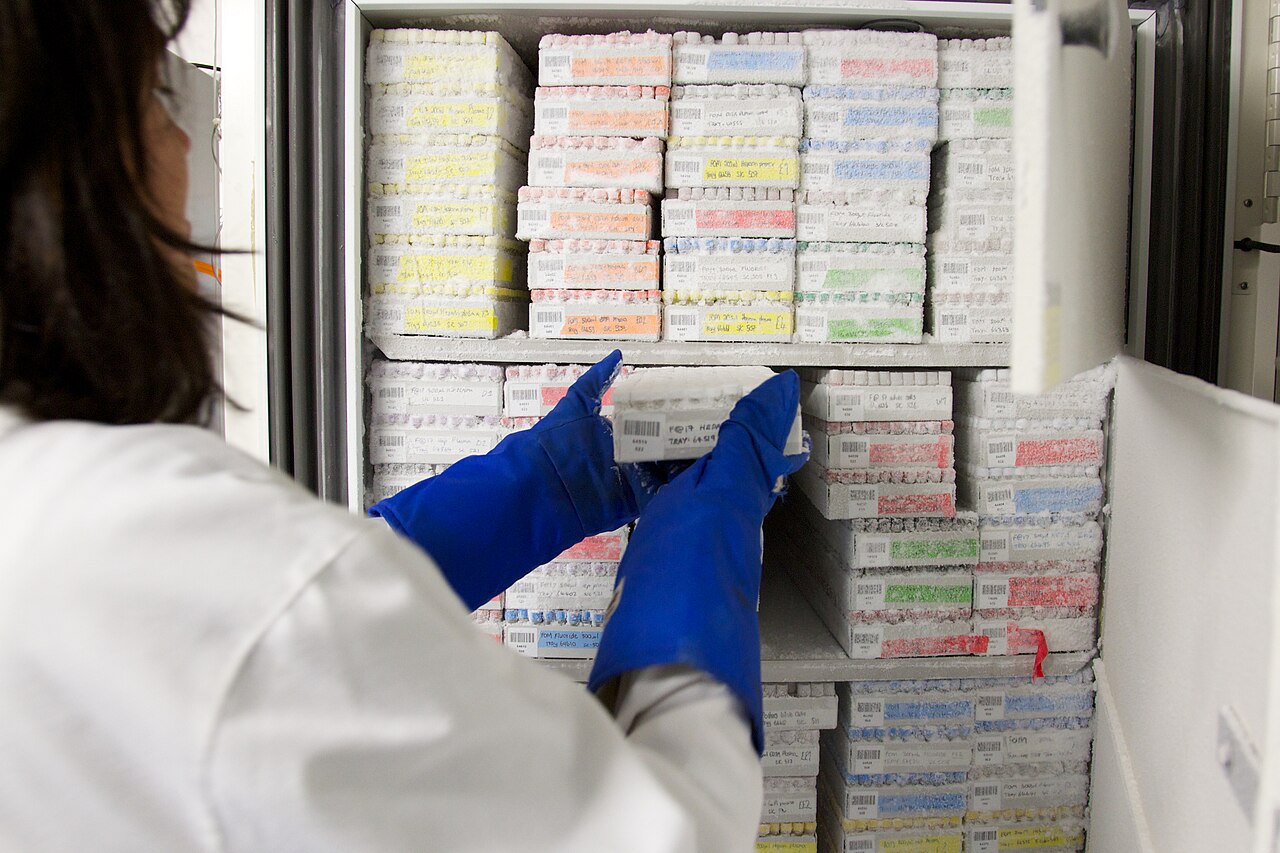
Research Peptide Storage & Handling, Without the Guesswork
Storage is unglamorous, and that is exactly why it gets neglected. Good handling is how a lab protects chain of custody and keeps materials tied to the documents that verify them.
Why Peptide News Shouldn’t Be Read Like Supplement Ads
A clinical-trial press release and a supplement ad can borrow the same hopeful words. Learning to tell them apart is the most useful skill in following this field.
Why Peptide Purity Actually Matters in the Lab
A high purity number on a banner means nothing without a batch report behind it. Here is what purity testing can and cannot tell you - and why lot-level matters more than a one-time result.
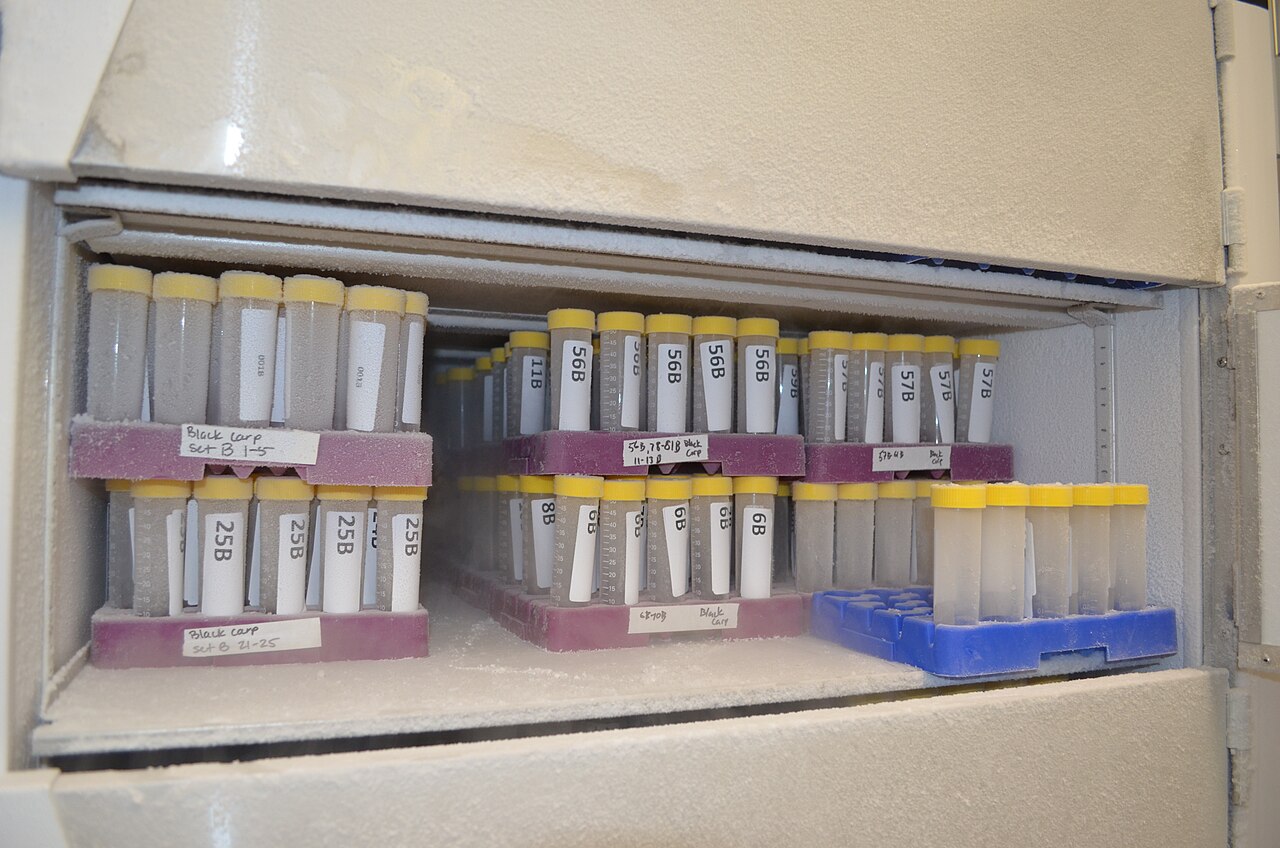
At the Receiving Desk: Cold Chain, First Impressions, and Batch Release
Most traceability problems are really receiving problems in disguise. The minutes when a shipment lands are the cheapest time to get everything right.
How to Read a Peptide Certificate of Analysis
A COA should make a research peptide easier to verify, not harder. Here is how to read one in under two minutes and spot the documents that do not hold up.
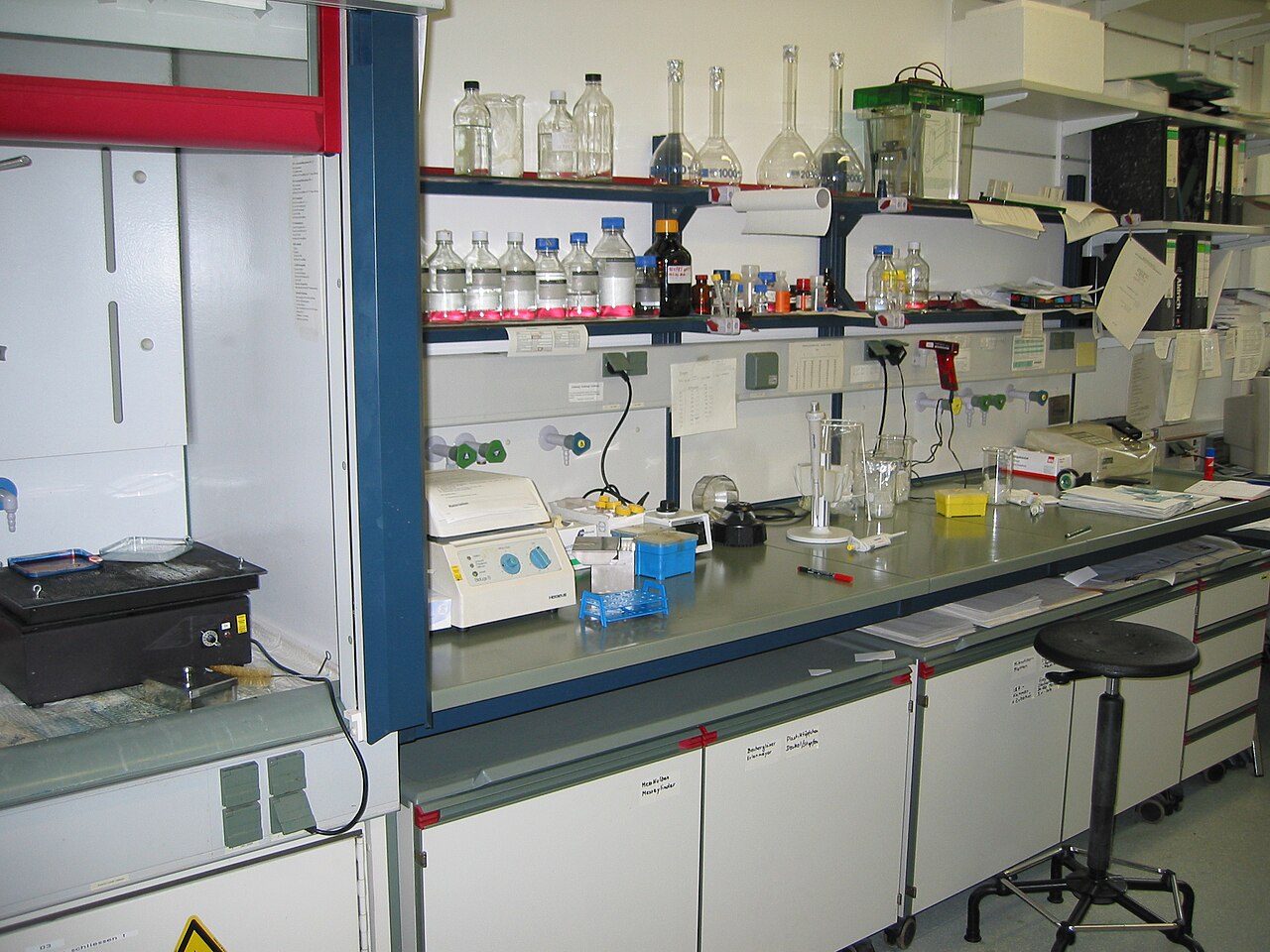
What Are Research Peptides? A Plain-English Primer
Strip away the jargon and a peptide is just a short chain of amino acids. Here is what that means for a lab evaluating reference materials - and what the documentation should tell you.