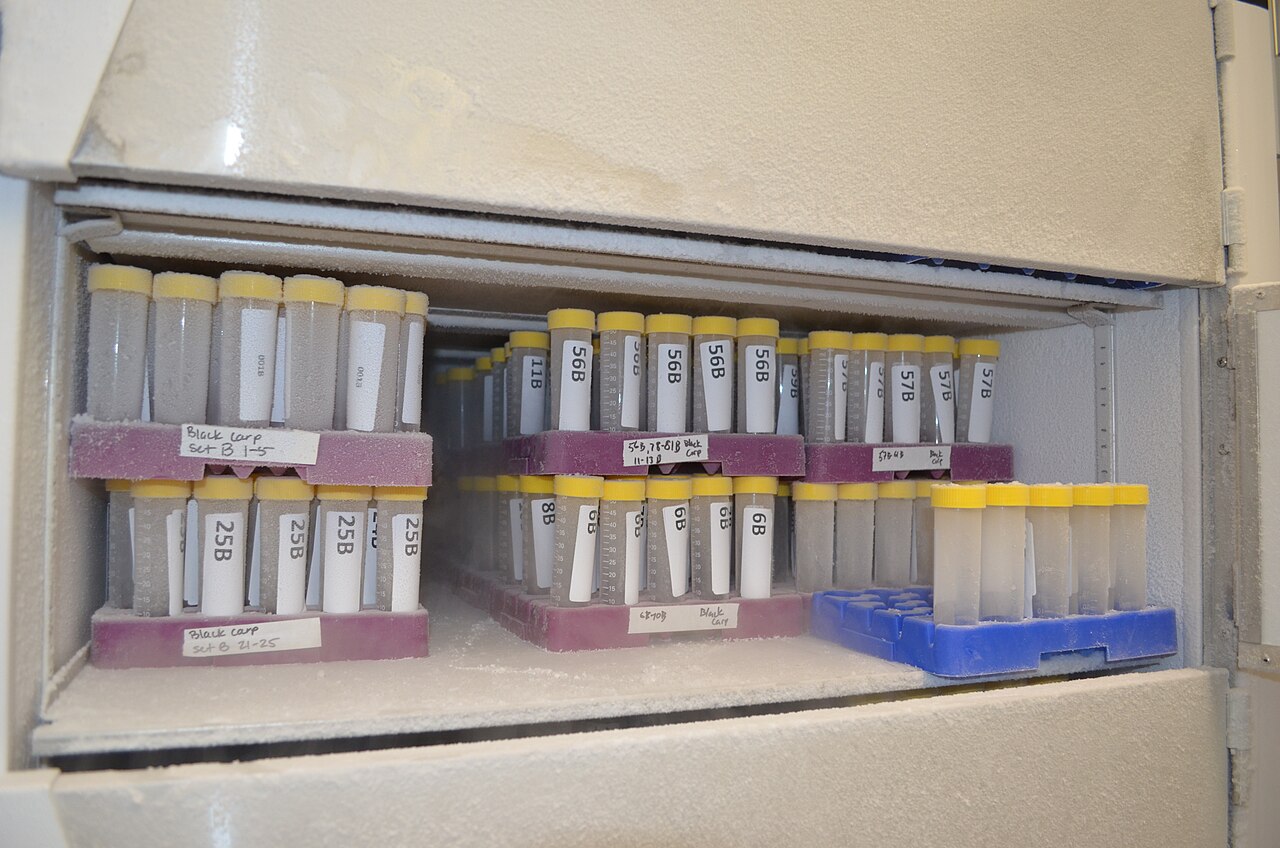
Ask where chain of custody breaks and most people picture a freezer. In practice, it usually breaks earlier, at the receiving desk - in the few minutes between a courier handing over a box and someone deciding where it goes. That moment is the cheapest time to capture everything you will later wish you had recorded, and the easiest to rush.
Cold chain is a question, not an assumption
Many research materials ship under specific temperature expectations, and the only way to know they were met is to check rather than assume. Note how the shipment arrived, whether any cold packs were present and in what state, and whether the condition matches what the supplier’s documentation led you to expect. If something looks off, that is a question to raise before the material disappears into inventory, not after.
The first inspection earns its keep
A short, deliberate look at arrival catches problems while they are still attributable to the shipment. Are the vials intact and labeled? Do the lot numbers match the paperwork? Do the compound and quantity match the order? Thirty seconds of attention here is worth far more than an hour of detective work a month later.
How the shipment arrived, including packaging and any cold-chain elements.
Whether the lot numbers on the vials match the accompanying documentation.
Whether the compound, quantity, and labeling match what was actually ordered.
The arrival date and the name of whoever received and logged it.
A batch-release mindset
Borrow a habit from regulated manufacturing: nothing enters usable inventory until it has been deliberately accepted. A material sits in a received-but-not-released state until someone confirms the lot matches its report and the condition is acceptable. It is a small ceremony, and it converts “we think this is fine” into “we checked, and here is the record.”
Make the careful path the easy path
A short checklist taped to the receiving bench does more for traceability than any amount of good intentions a week later. Capture the lot, the condition, and the date on arrival, keep the original label with the material, and file the matching report. These are research reference materials for in vitro laboratory use only, and disciplined receiving is how a lab keeps each one firmly attached to the evidence that identifies it.